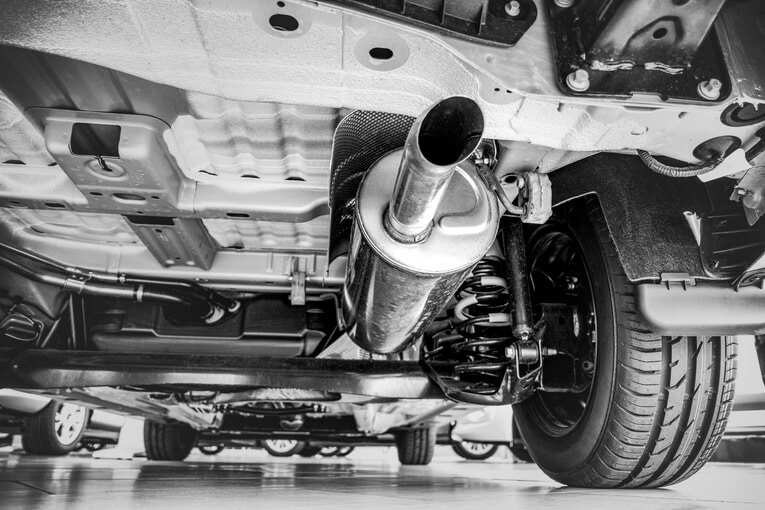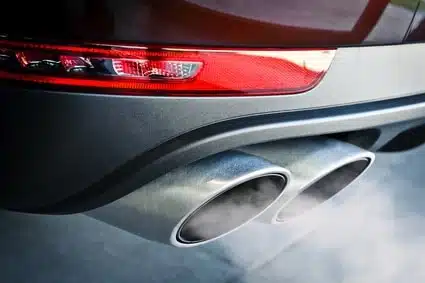
In this Holts blog, we’ll be looking at how you can use different noises to identify, detect and fix car exhaust problems. Given their location on the underside of the car, exhaust systems are susceptible to wear and tear, with damage often contributed to by both internal and external corrosion, due to the amount of acidic moisture and other debris passing beneath the vehicle. Water vapour is formed as a by-product in the engine and exits the exhaust along with gases such as CO2.
The water can condense on cooler surfaces in the exhaust system, and over time, this collects and corrodes the inside to form small holes. The exhaust is also suspended under the vehicle, allowing it a small amount of movement.
Whether it’s a rattle, a rumble, or a really loud hum, we’re here to tell you what the noise could be and how you can fix it!
Loud sound from exhaust when accelerating
If you’ve got a loud sound from your exhaust when you’re accelerating, you might be fooled into thinking this is normal, but if this problem occurs suddenly, it can be indicative of problems with the exhaust.
What this might be
A loud exhaust often indicates a hole or leak in either a pipe or a silencer box. Most commonly found from the middle to the rear of the car, these holes can usually be quite easy to find. Check the joints where pipes join boxes or bends. The surrounding area will have a film of carbon ‘soot’ where the exhaust gases are escaping, and you may also be able to hear exactly where the sound is loudest. However, it could also due to a failed gasket, loose joint or even a black box/silencer failure.
What to do
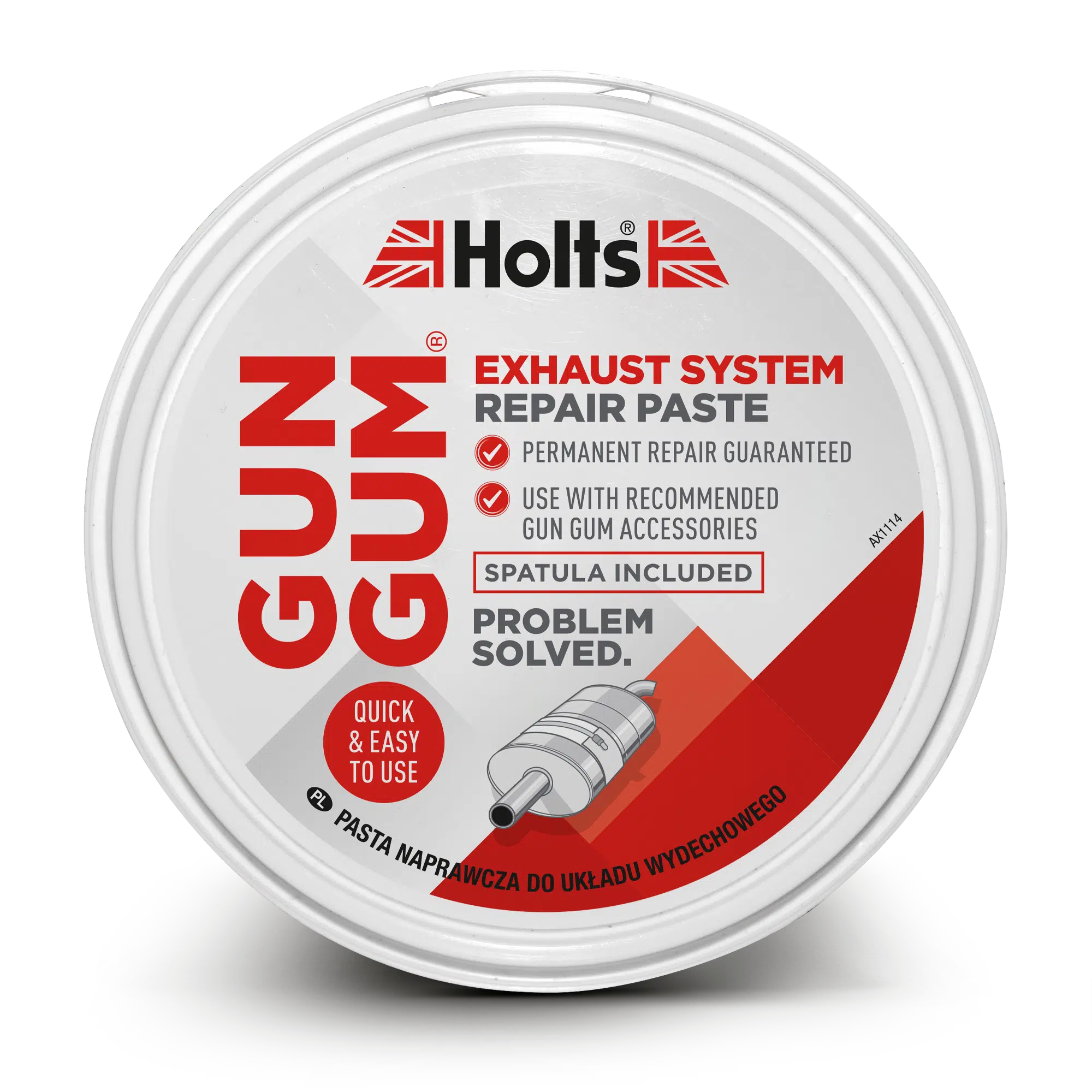
In most instances, Holts Gun Gum can permanently seal the holes or cracks and help extend the life of your exhaust. Simply apply the Gun Gum paste directly from the tin and allow it to harden over time or by running the vehicle at idle.
Hissing exhaust noise when idling
Do you notice a hissing noise coming from near the front of the vehicle (rear of engine) when leaving the car to idle? If you notice this sound, you should check it out immediately.
What this might be
If so, there could be a crack in the exhaust manifold. Depending on the severity, a cracked manifold could make the vehicle undrivable and lead to an expensive repair if left alone.
What to do
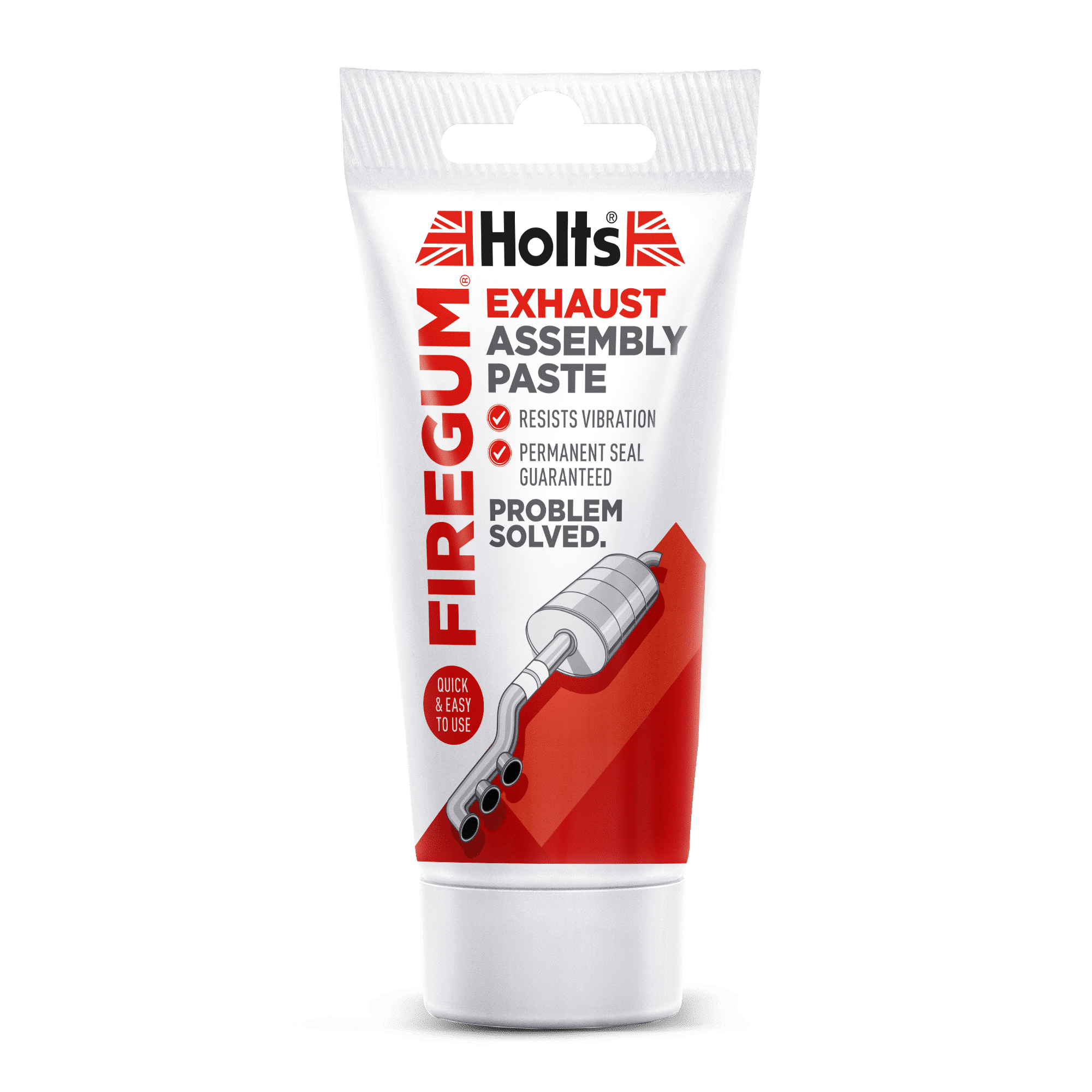
Small cracks or holes can be repaired using Firegum paste. Simply apply and leave to dry.
Chugging exhaust noise when idling
Unlike a loud exhaust noise or a hissing noise coming from the engine, which are quite subtle, you’re unlikely to miss a chugging exhaust noise.
What this might be
While a chugging noise could indicate other underlying engine issues, it could also mean there’s a blockage in the exhaust system, particularly the catalytic converter or DPF on newer diesel models. It may also mean a misfiring engine or combustion issues. A blocked DPF would typically have additional symptoms such as loss of power and engine warning lights.
What to do
If left unchecked, this blockage could lead to a significant drop in engine performance, so it’s a good idea to get the system serviced as quickly as possible. Proper servicing can help to avoid these problems in the first place, which is why a regular servicing schedule is so important.
Rattling exhaust noise when idling
The exhaust system is suspended under the car with a number of brackets, clamps and mountings, which can themselves rust and give way. Being underneath the car, the exhaust system and its mountings are exposed to the elements more than components hidden under the bonnet.
What this might be
If you hear a rattle under the car when it’s idling or at low revs, it may require an exhaust bracket repair due to becoming detached through a failed hanger.
What to do
If you can find a way to safely get underneath the vehicle, replacing the appropriate hanger to secure the exhaust is an important task. If you lack the tools or experience, don’t hesitate to take your car into your local garage for a quick, cheap fix.
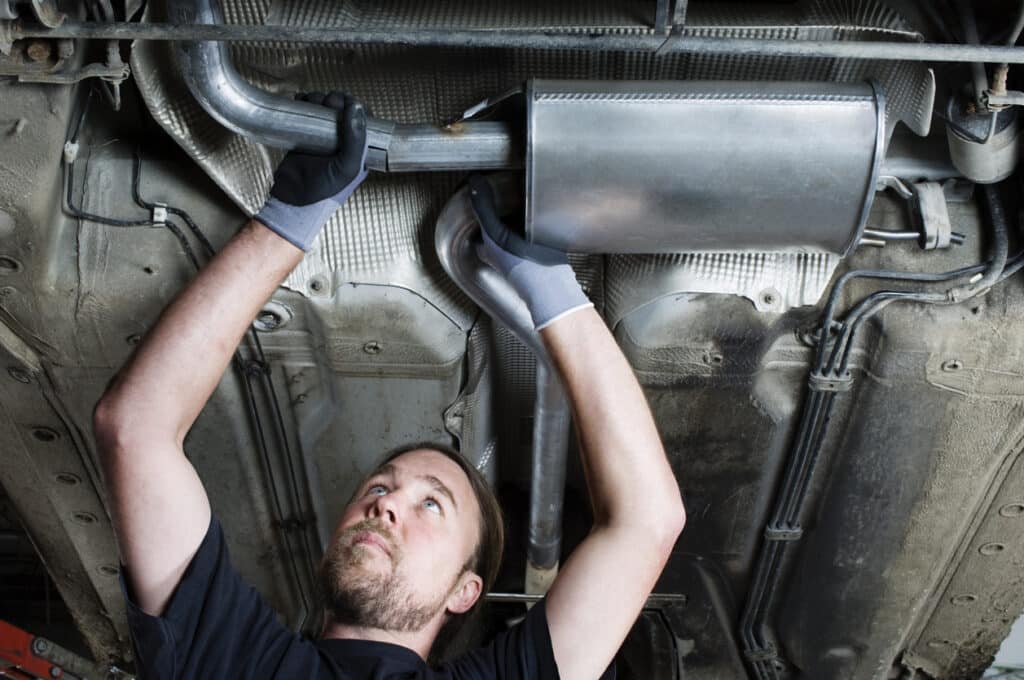
How to check your car’s exhaust
While it’s possible to diagnose a number of exhaust problems based on different engine sounds, a visual inspection of the exhaust is a much more reliable way of assessing the condition of the entire system, from the manifold to the tailpipe.
Remember, you should always let the exhaust cool before carrying out inspection or repairs, so as to avoid burns.
Get underneath the car
To inspect the exhaust system effectively, you’ll need to get underneath the car — something easier said than done for DIY car enthusiasts without a lift or a pit at hand. It is possible to buy specialist ramps that allow you to raise the car enough to get under and inspect the exhaust system; just make sure the ones you buy are suitable for the weight of your vehicle.
Pay close attention to seams and joints
When carrying out a visual inspection of the exhaust, pay close attention to seams and joints where components meet, as these are most prone to cracks and leaks. If the exhaust is rusted, gently inspect the affected area to check its condition. Often, rust spots look worse than they appear, and it may be that the component hasn’t worn through yet.
Remember rust spots and keep checking
Make a mental note of any rust spots and remember to check the areas again in a few months or so. If there are holes or cracks in the exhaust system, you may be able to fix it yourself, depending on the severity of the damage.
Use exhaust products if suitable
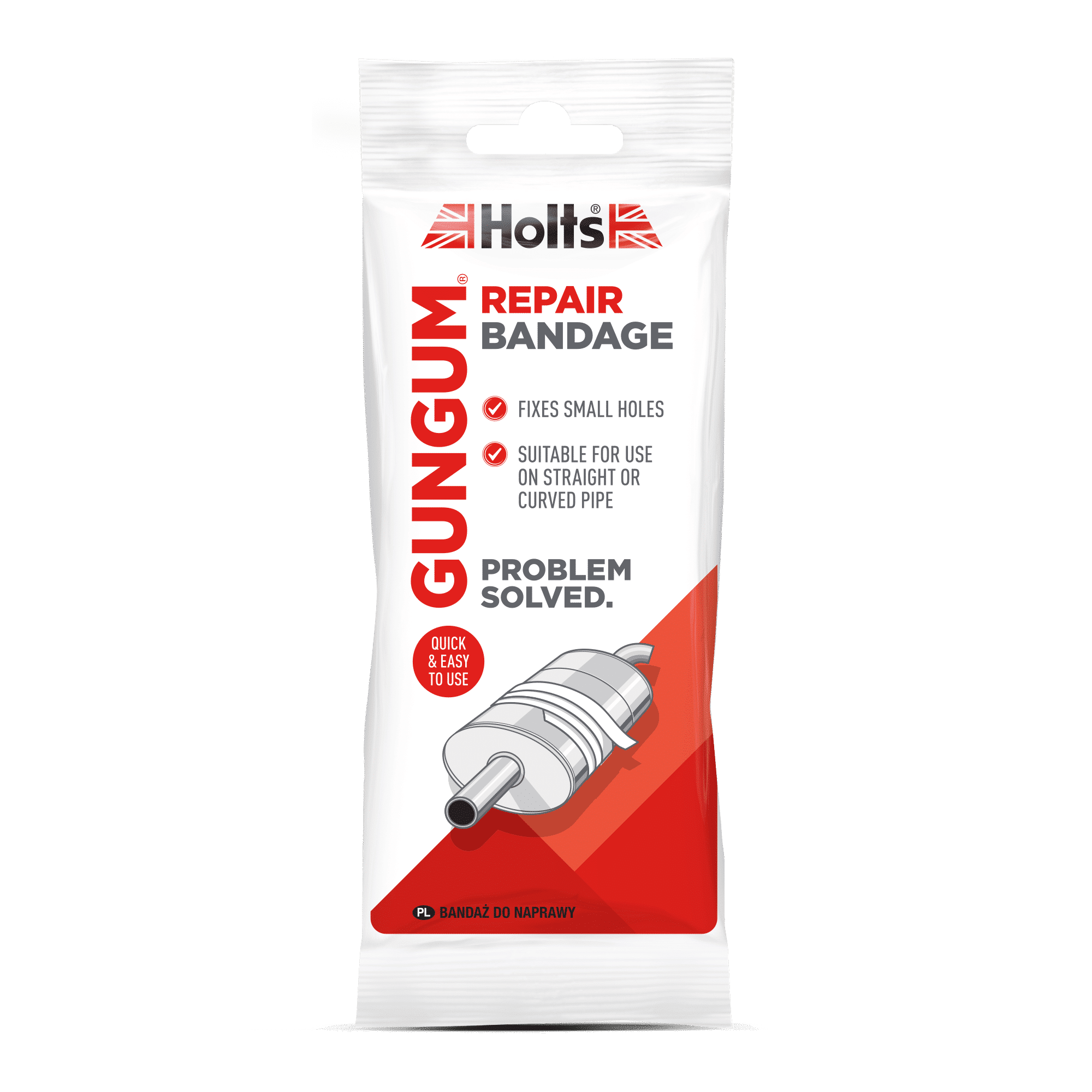
If a rust patch seems very thin and weak, or if there’s a hole, try using Holts Gun Gum before forking out for a new part. When Gun Gum paste is used in conjunction with other products in the range, in most instances, the repair can extend the life of the exhaust.
Holts exhaust repair range
The Holts exhaust repair range is there to lend a helping hand when your exhaust needs a bit of care. Not only are the products in the range quick and easy to put into action, but they’re also built to last, providing you with peace of mind that your exhaust will help extend the lifespan of your exhaust.
For more products designed to keep you safely on the road, check out Holts’ products from tyre repair kits like Tyreweld to Headlight Restoration Kits.