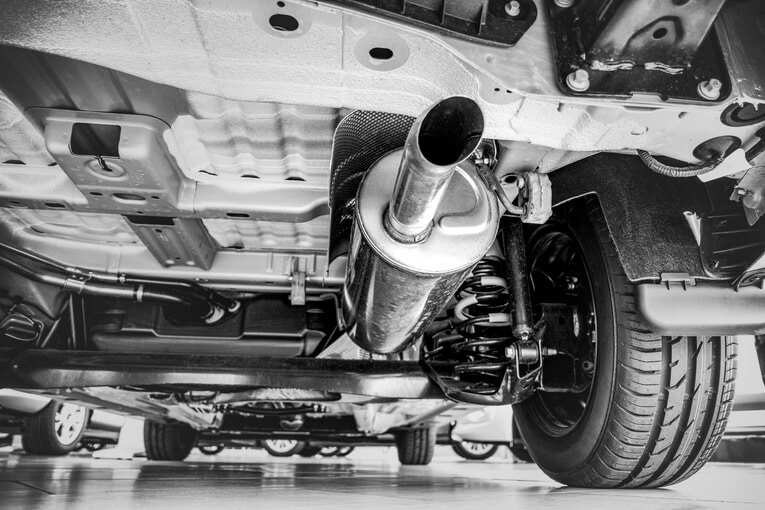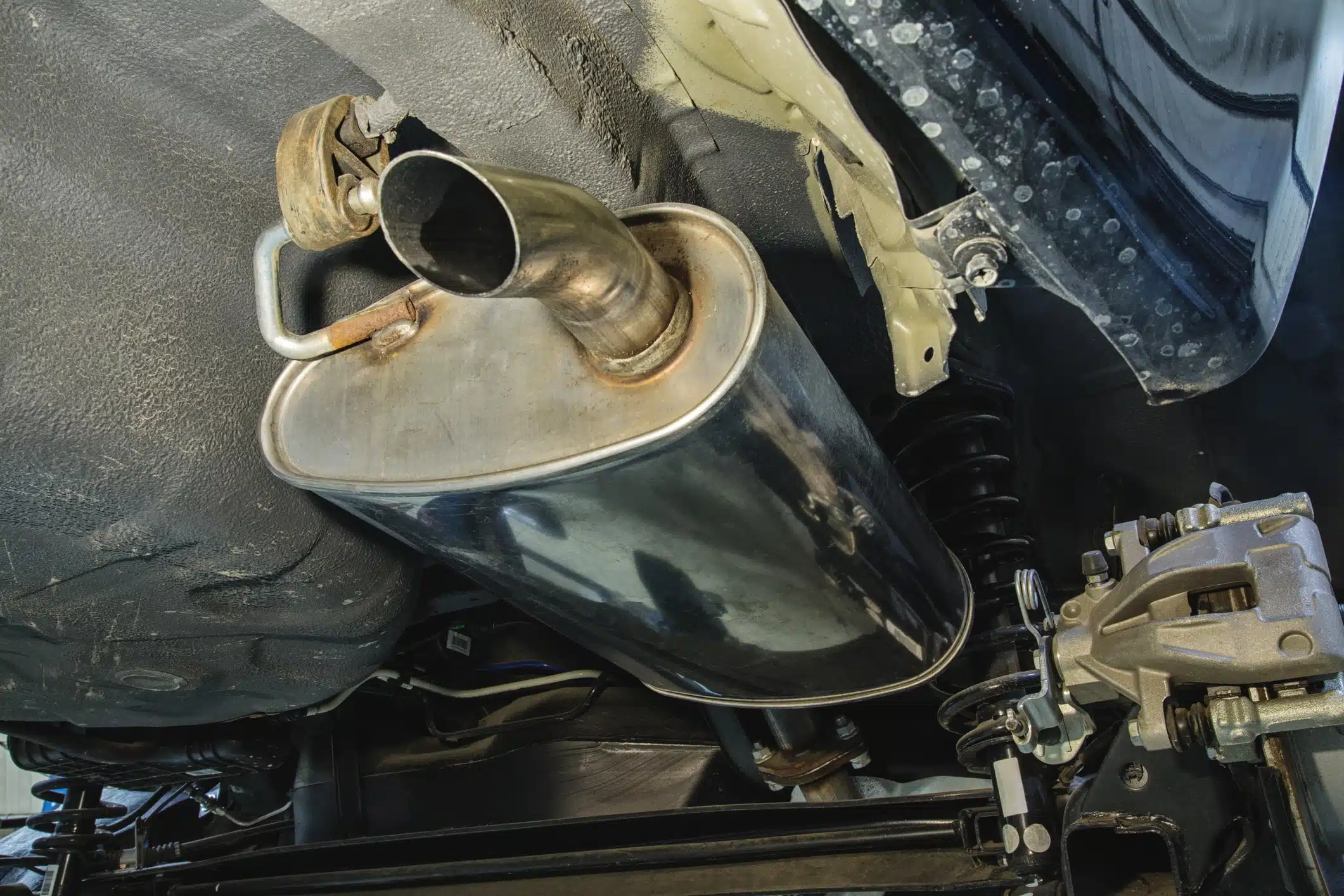
A lot of people believe that it’s impossible to fix your own car at home, thanks to all the new electrical components and systems fitted in vehicles today. But actually, there are still bits of your car which can be fixed by hand – including your exhaust pipe.
If you want to save some money on costly repairs, like a cracked exhaust, or you’re simply the kind of person who likes to have a go at something yourself, then you’re in the right place. Holts’ philosophy has always been about helping drivers to fix their own cars and keep them on the road.
In this guide, we’ll show you how to fix small holes and cracks in your exhaust, saving you the expense of having a new one fitted. Our DIY exhaust repair method is something both car owners and professionals can use, as it provides a permanent, durable, gas-tight seal designed to last until a full repair or replacement is carried out for the exhaust system.
How to tell if your exhaust is damaged
Sometimes it can be hard to tell when an exhaust has developed a hole or crack. But more often than not, there’ll be some signs to show you that something’s not right.
Here are some of the common symptoms of a leaky exhaust pipe:
Loud engine noise
Part of an exhaust’s job is to muffle engine noise, directing exhaust fumes through a tailpipe designed to reduce volume. When there’s a hole or crack in the exhaust, you might find that your car sounds a lot louder; this is the most common symptom of a leaky exhaust.
Your car fails its emissions test
If your car fails the emissions part of the MOT test, there’s a chance a damaged exhaust pipe could be to blame. That’s because toxic fumes may escape before reaching the catalytic converter (depending on where the damage is), causing an increase in harmful emissions. A cursory inspection of your exhaust will be included in your MOT, so your mechanic should be able to point you in the right direction if your exhaust is the reason behind your failure.
Engine warning light
If your engine warning light appears, your exhaust might be the cause of it. Your car’s combustion system is full of sensors, so if there’s a leak anywhere, these sensors send a message to your car’s ECU, which can cause the engine light to illuminate. If your engine warning light appears, be sure to rectify the issue immediately.
In some cases, particularly if the leak is near emissions sensors or the catalytic converter, it can trigger the engine warning light.
Reduced engine performance
Whether it’s power or MPG, reduced engine performance is an easy way to spot that there’s a problem with your car’s exhaust. A damaged exhaust could lead to disrupted exhaust flow and backpressure, which can reduce engine efficiency and performance.
Suffer from headaches and dizziness while driving
If toxic fumes are escaping from the exhaust, there’s a good chance they’re making their way into the cabin. In small quantities, fumes like carbon monoxide can cause headaches and dizziness and can be more dangerous if a serious leak goes unchecked.
Why do you need to fix a faulty exhaust?
A small hole or crack in your exhaust might not sound that serious. But while it’s unlikely that you would break down as a result of a faulty exhaust, it’s important to get the problem fixed as soon as possible.
Driving with a hole or crack in your exhaust system is more dangerous than you might think. Not only is there the risk of increased emissions and pollution but there’s also the danger of toxic fumes like carbon monoxide getting into the cabin.
Another reason to fix your exhaust sooner rather than later comes down to cost. If you leave the problem unchecked, it’ll only get worse, to the point where you might need to replace the entire exhaust system.
How much does an exhaust repair cost?
The cost of repairing an exhaust will vary depending on the severity of the damage and the performance level of your car. For an average car, the price is usually between £100 and £500.
For most basic repairs, a DIY job using high-quality Holts exhaust repair products will be sufficient to repair your exhaust without causing further issues down the line and saving you a quid or two in the process.
You might choose to go to a professional because of a lack of confidence or lack of time, for example. There’s no right or wrong answer for small repairs like this.
For more serious holes and cracks, we’d recommend taking it to a professional who will be able to fix the repair to a high standard and also offer you peace of mind should the repair go bad.
How to repair an exhaust at home
If your exhaust has a small hole or crack, you might think that you need to replace the whole thing. But before you rush to a garage, we have an easier and cheaper option.
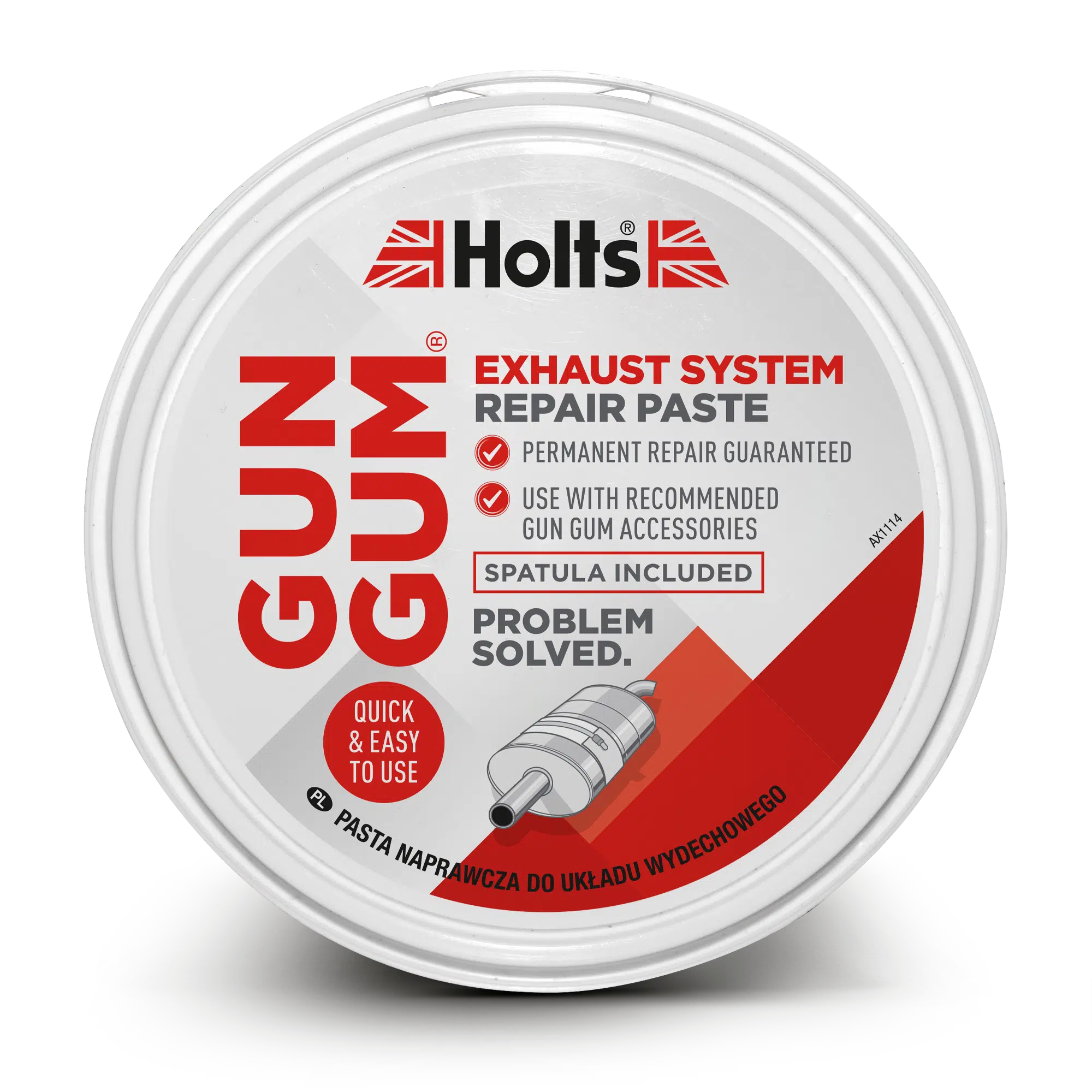
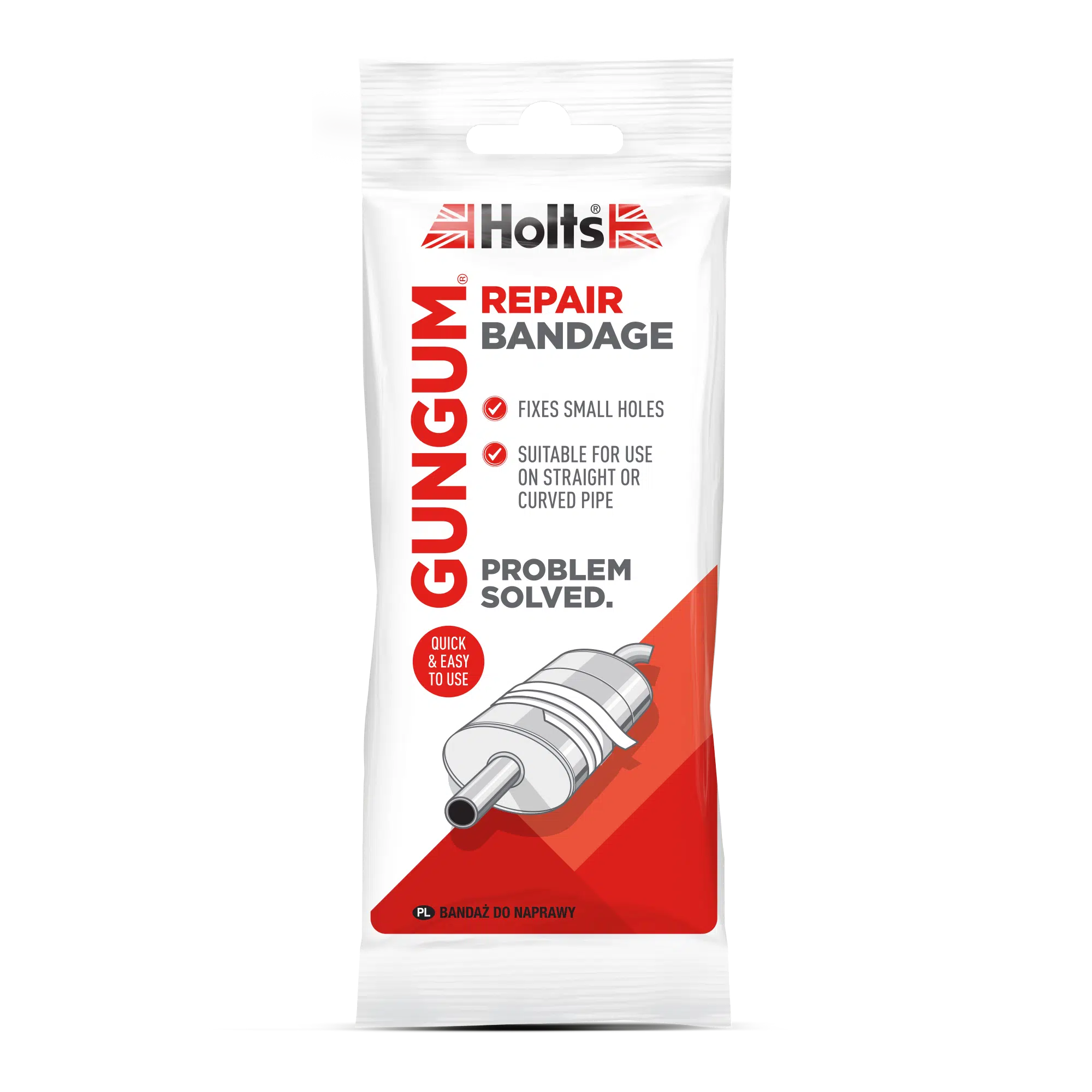
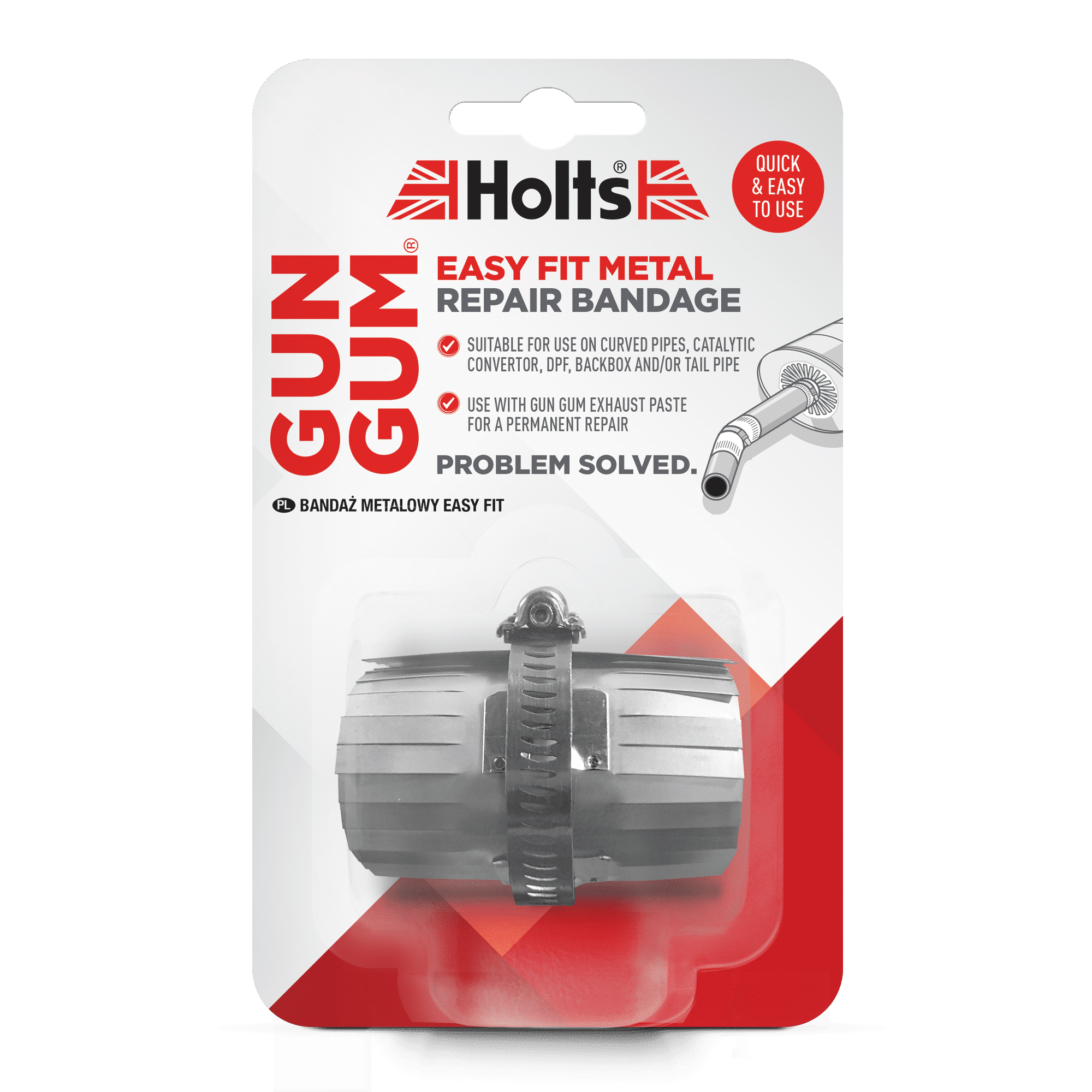
The Holts Gun Gum range is designed to provide a permanent repair for small holes and cracks along the exhaust system. Using our range of bandages and accessories, as well as our Gun Gum Paste, you can fix holes and cracks in different parts of the exhaust system.
Using the mix of Gun Gum Paste and the right accessory, you can fix holes and cracks in your exhaust at home yourself – the bandages have been designed to fit the various different parts of the exhaust system, and the paste holds it in place for a permanent gas tight seal.
Here’s how it works:
Step 1: Wait for your car to cool down and then locate the hole or damage and clear any debris from the area. Once the area is cool, clean any dirt or debris from the hole.
Step 2: Apply an appropriate amount of Gun Gum Paste to the area.
Step 3: Fit the bandage by wrapping it around the pipe and adjusting it according to where the hole is. The video below can help you to know how to apply the bandage.
Step 4: The paste will dry overnight, or you can speed it up by running the engine.
Having your exhaust repaired professionally can be expensive, but can also be time-consuming. Fixing it at home yourself will save you time and money, and using Gun Gum can help ensure your vehicle meets MOT requirements when applied correctly.
If running the engine to cure the repair, ensure the vehicle is in a well-ventilated area to avoid exposure to exhaust fumes.
NOTE: The above guide and video are intended to be used for small holes only. For large holes or cracks, please consult with a professional.
We hope this guide helps you fix your damaged exhaust system. For more information, visit the Holts Gun Gum product page. Or for more help fixing your car on your driveway, head over to the Holts blog.